Electrical Safety Measures for Holiday Decorations

Be Safe When Getting Holiday Lights and Decor Ready

The holiday season is synonymous with dazzling lights and festive decor, transforming homes into magical wonderlands. However, safety should remain paramount when decorating with holiday lights and Christmas decorations. Proper planning and setup can help homeowners maintain electrical safety while enjoying the beauty of holiday decorations. 

Incandescent vs. LED Holiday Lights
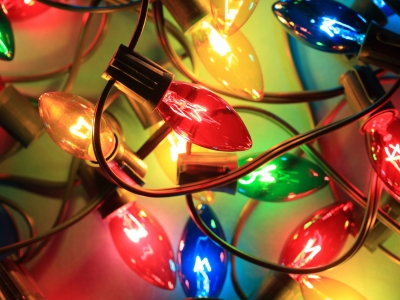
holiday lightsWhen selecting holiday lights, understanding the differences between incandescent and LED lights is crucial. Both have their merits, but LED lights offer distinct benefits that make them a safer and more efficient option for decorating.

  • Energy Efficiency: LED Christmas lights consume significantly less energy than traditional incandescent Christmas lights, making them a more eco-friendly choice that can help reduce electricity bills.
  • Longevity: LEDs have a longer lifespan, often lasting up to 25,000 hours, compared to the 1,000 to 2,000 hours of incandescent bulbs. This means fewer replacements and reduced waste over time.
  • Safety Advantages: LED lights emit less heat, reducing the risk of fire, especially when used on flammable materials such as holiday decorations. They are also more durable, being less prone to breakage and capable of withstanding outdoor conditions.

Choosing LED lights for holiday displays not only promotes electrical safety but also supports sustainable decorating practices.

Inspecting and Testing Holiday Lights

Before setting up holiday lights, it's important to inspect and test them to ensure they are in good working condition and safe to use. This step can prevent potential hazards such as electrical shorts or fire risks.

  • Check for Visible Damage: Inspect all light strings and cords for signs of wear, such as fraying, cracking, or exposed wires, which could pose safety risks.
  • Test Each Set of Lights: Plug in and test each set of lights before installation to guarantee all bulbs and circuits are functioning properly.
  • Replace Damaged Components: If any issues are detected, replace the damaged strings or bulbs with compatible parts to maintain electrical safety.

Regular inspection and testing of holiday lights are integral to preventing electrical hazards and ensuring a stress-free decorating process.

Installing Outdoor Holiday Lights

holiday lightsSafely installing outdoor Christmas lights requires thoughtful planning and meticulous execution to protect both the decorations and the home’s exterior. Proper installation enhances both the aesthetic and safety of outdoor holiday decorations.

  • Use Outdoor-Rated Lights: Always choose lights specifically rated for outdoor use, as these are designed to withstand weather conditions, reducing the risk of electrical malfunctions.
  • Proper Mounting Methods: Instead of using nails or screws that can damage the home's exterior and puncture wires, opt for plastic clips or hooks specifically designed for hanging holiday lights.
  • Consider Weather Conditions: Keep electrical connections off the ground and protected from rainfall and snow to maintain functionality and prevent electrical hazards.

Implementing these careful installation methods ensures that outdoor Christmas lights are both stunning and safe.

Emphasizing electrical safety when setting up holiday decorations ensures that festivities remain delightful and hazard-free. By opting for LED lights, performing regular inspections, and installing outdoor decorations properly, homeowners can enhance both the beauty and safety of holiday displays.

About Trustworthy Electric

As a family-owned and operated business, Trustworthy Electric handles electrical repairs and replacements while paying close attention to customer needs. Their highly trained and experienced electricians provide upfront and honest recommendations and guidance. Call them now for outdoor lighting services in Montgomery, AL.

Distribution Links +

Smoke detector mounted on ceiling, highlighting importance of proper installation for residential fire safety.

A Practical Guide to Smoke Detector Installation

Important Basics to Know About Installing Smoke Detectors

Proper smoke detector installation is a foundation of residential fire safety. Determining ideal locations for smoke detectors and smoke alarms can feel complex, but a clear plan ensures reliable coverage across living spaces. The information below outlines practical placement guidance, the benefits of professional support, and how to recognize when smoke detector replacement or smoke alarm replacement becomes necessary for homes in Montgomery, AL.

Importance of Smoke Alarm Placement

Thoughtful smoke alarm placement creates multiple layers of protection that provide early alerts in an emergency. Bedrooms and sleeping areas warrant special attention because occupants are most vulnerable while asleep. Installing a smoke detector in each bedroom, plus smoke alarms in the hallway just outside sleeping zones, helps ensure alerts are heard quickly.

Common living areas—such as family rooms, living rooms, and dens—benefit from additional coverage, as many household fires begin in gathering spaces. To build vertical protection, include smoke detectors on every level of the residence, from basements to upper floors, and do not overlook finished attics. Stairways, long corridors, and open lofts often act like chimneys for smoke, making them strategic locations for early detection.

Local building codes and best practices guide placement in Montgomery, AL, and surrounding communities. Interconnected smoke alarms—hardwired or wireless—can enhance audibility by sounding all units simultaneously, increasing the likelihood of a timely response. For areas near kitchens, consider placement that reduces nuisance alarms while still providing rapid notification. A balanced approach keeps alerts dependable without frequent false triggers.

Benefits of Professional Smoke Detector Installation

Hands installing a smoke detector on a ceiling, showcasing the internal components and the use of a screwdriver, emphasizing professional smoke detector installation for safety and compliance.Professional smoke detector installation brings several advantages, starting with code compliance and safe integration. Licensed technicians understand local regulations, permit requirements, and proper wiring methods. They also evaluate airflow, ceiling heights, and architectural features to recommend optimal locations for each smoke alarm, reducing blind spots and minimizing nuisance trips from fans or vents.

Today’s smoke alarms come in multiple technologies—photoelectric, ionization, and dual-sensor—each suited to different conditions. Professionals can identify which type works best in specific rooms and whether combined smoke and carbon monoxide detection is beneficial. For many households, interconnected systems and smart-capable devices provide additional peace of mind through alerts that notify occupants even when away from home.

During smoke alarm installation, a technician can test every unit, verify interconnection across the network, and confirm backup power. This process ensures that each detector responds properly and that batteries or backup systems are ready if a power outage occurs. When older devices are present, a pro can also advise on phased smoke detector replacement to standardize technology, improve coverage, and streamline future maintenance.

Signs Smoke Detector Replacement Is Needed

Person testing a smoke detector by pressing the test button on a ceiling-mounted unit, emphasizing the importance of regular maintenance and functionality checks for fire safety.Over time, internal components and sensors in smoke detectors begin to degrade. When units reach the end of their service life—often around the decade mark—smoke detector replacement is a smart step to maintain dependable performance. Checking the manufacturing date on each unit helps determine when a device is nearing retirement.

Frequent nuisance alarms, visible discoloration, or damaged housings are warning signs that warrant attention. Intermittent chirping that persists after new batteries are installed can indicate internal failure and a need for smoke alarm replacement. Another clear signal is an inconsistent response during routine testing; alarms that do not sound promptly, emit weak tones, or behave erratically should be replaced without delay.

Changes in a home’s layout or usage may also require updates. Renovations, finished basements, or newly converted bedrooms can introduce new coverage needs that make additional smoke alarm installation necessary. In properties where some devices are older than others, a coordinated upgrade helps ensure consistent operation and simplifies future maintenance.

In Montgomery, AL, a practical plan combines regular testing, occasional cleaning to remove dust from sensor openings, and timely smoke detector replacement when devices age out or show signs of wear. When paired with professional evaluation, this approach helps maintain a reliable early-warning system across every level of the home.

A final note on maintenance: testing should be performed periodically according to manufacturer guidance, and batteries or backup power systems should be replaced as directed. Clear access to each unit—free from paint, obstructions, or heavy dust—supports accurate sensing and reduces nuisance trips.

About Trustworthy Electric

Trustworthy Electric is a family-owned and operated electrical service company proudly serving the communities of Montgomery and the neighboring areas. They offer upfront pricing and on-time service from a fully licensed and insured team. Call them today for Smoke Detectors in Montgomery, AL.

Distribution Links +

Person installing a double electrical outlet in a wall, highlighting the importance of proper outlet installation for electrical safety and efficiency.

Different Types of Outlets and Their Uses

3 Types of Outlets and Their Advantages

Electrical outlets are vital components of residential and commercial buildings, and choosing the right type of outlet can make a significant difference in electrical safety and efficiency. Below, we explore three essential types of electrical outlets—AFCI outlets, GFCI outlets, and tamper-resistant outlets (or childproof outlets)—and their distinct advantages.

AFCI Outlets

AFCI outlet with reset and test buttons, designed for electrical safety by preventing fire hazards through arc fault detection.Arc Fault Circuit Interrupter (AFCI) outlets are specifically designed to help prevent electrical fires by sensing dangerous arcing conditions in a circuit.

AFCI outlets detect arc faults, which are a leading cause of electrical fires. By interrupting the circuit upon detection of an arc, these outlets prevent potential fire hazards. These outlets are particularly beneficial in areas where the risk of electrical fires is higher, such as bedrooms, family rooms, and other common living spaces.

Many modern building codes require AFCI outlets for greater protection, making electrical outlet installation crucial for compliance with regulations. Overall, they are essential for those seeking to enhance household safety and prevent potential fire hazards.

GFCI Outlets

GFCI electrical outlet installed outdoors, featuring safety mechanisms to prevent electrical shocks, surrounded by protective casing, emphasizing its importance for moisture-prone areas.Ground Fault Circuit Interrupter (GFCI) outlets prevent electrical shocks by monitoring the flow of electricity through a circuit. Many local and national building codes mandate the use of these outlets in specific areas, emphasizing their importance in modern constructions.

GFCI outlets instantly cut off electrical power if they detect an imbalance, which reduces the risk of fatal shocks. These outlets are ideal in moisture-prone areas, such as bathrooms, kitchens, basements, and outdoor spaces, where the risk of electric shock is more prevalent.

By opting for GFCI electrical outlet installation, homeowners can ensure both increased safety and compliance with building requirements.

Childproof Outlets

Tamper-resistant outlets, also known as childproof outlets, are designed to prevent accidental electrical shocks and injuries caused by foreign objects being inserted into outlets.

Childproof outlets incorporate an internal shutter mechanism that blocks access to receptacles unless equal pressure is applied to both slots simultaneously, ensuring that children cannot insert objects into the outlet.

These outlets are especially beneficial in homes with young children and should be installed in children’s rooms, play areas, and accessible communal spaces to minimize the risk of accidents.

Replacing standard outlets with tamper-resistant outlets is a straightforward process that offers significant long-term safety benefits for families. They provide peace of mind for parents, ensuring that safety is a priority in homes with young children.

Understanding the different types of electrical outlets and their benefits enables homeowners and businesses to make informed decisions during electrical outlet installation. Whether the goal is to enhance safety, meet building codes, or provide childproof protections, choosing the right type of outlet is essential for any electrical system.

About Trustworthy Electric

Trustworthy Electric is a family-owned and operated business that provides fast, expert, personalized service. Their electricians are highly trained and experienced to handle electrical repairs and replacements. Call now for electrical outlet installation and services in Montgomery, AL.

Distribution Links +

Electrical panel with circuit breakers and labeled circuit list, illustrating dedicated circuit installations for home safety and efficiency.

Dedicated Circuits and Their Advantages Explained

Do You Need a Dedicated Circuit Installation?

Dedicated circuits are vital for a safe and efficient home electrical system, so if homeowners notice signs they need another one, it’s important to call an electrician. This guide will discuss dedicated circuits, their advantages, and signs indicating that another dedicated circuit may be required. 

What Is a Dedicated Circuit? 

Electrical circuit breakers and disconnects illustrating components essential for dedicated circuit installations in home electrical systems.A dedicated circuit provides exclusive electrical power to a single appliance or device, preventing circuit overloads that can trip breakers or damage equipment. Unlike shared circuits that power multiple devices, dedicated electrical circuits ensure that essential appliances and high-demand electronics receive consistent and uninterrupted power flow. 

Some appliances that require a dedicated circuit include the air conditioning unit, refrigerator, oven, electric range, dishwasher, and washing machine. This will prevent power interruptions during operation. Other smaller appliances, such as microwaves and toasters, may also need and can benefit from dedicated circuits.

Furthermore, certain electronics, such as home office equipment like computers and printers, perform better and can be protected with dedicated circuits, as they can help prevent crashes and data loss when connected to dedicated circuits.

Benefits of Installing Dedicated Circuits

Installing dedicated circuits has several advantages and help prevent electrical problems and safety hazards. These specialized electrical pathways deliver consistent power directly to high-demand appliances without competing for resources with other devices. Dedicated electrical circuits eliminate voltage drops that plague shared circuits, ensuring appliances receive steady power flow. This consistent power delivery can help extend the lifespan of appliances and maintain optimal performance.

Electrical safety also improves dramatically when appliances operate on their own circuits. Dedicated circuits prevent circuit overloads and overheating that can trigger dangerous electrical fires. They also reduce the risk of frequent breaker trips, which often indicate overloaded electrical systems. Modern electrical codes require dedicated circuits for specific appliances, so they are also important for electrical code compliance.

Common Signs a Dedicated Circuit Installation Is Needed

Couple inspecting electrical panel with flashlight, highlighting potential issues indicating need for dedicated circuit installation.Some signs of electrical problems in the home may signal the need for dedicated circuit installation before more issues develop. Circuit breakers that trip repeatedly can indicate that the existing circuits cannot handle the electrical load from multiple devices, and that an additional dedicated circuit may be needed. 

Flickering lights serve as another warning sign that a dedicated circuit may be required. Power fluctuations or devices and appliances that experience interruptions when multiple devices are being used at the same time can also be a sign to get another dedicated circuit. If these signs are noticed, homeowners should call an electrician to inspect the system and determine whether more dedicated circuits should be installed. 

About Trustworthy Electric

Trustworthy Electric is a reliable, family-owned electrical company serving the Montgomery community. They provide upfront pricing, customer education, and fully stocked trucks. Call them for dedicated computer circuit installation services in Montgomery, AL

Electric vehicle charging station with charging cable connected, woman approaching home entrance, demonstrating residential EV charging setup.

Why Have an Electric Vehicle Charging Station Installed at Home?

All About Electric Vehicle Charging Stations

If homeowners have an electric car or are considering making the switch to an electric vehicle (EV), this guide will discuss electric vehicle charging stations, breaking down what they are, the different types used at residential homes, and the advantages of an EV charging station installation at home. 

What Are Electric Vehicle Charging Stations?

Electric vehicle charging station mounted on a brick wall, featuring a charging cable ready for use, illustrating home EV charging solutions.Electric vehicle charging stations function as specialized power outlets that deliver electricity directly to an electric vehicle’s battery through a dedicated charging cable. These EV charging stations convert alternating current (AC) from the electrical grid into the direct current (DC) that electric car batteries require for storage. Think of them as sophisticated gas pumps for the electric age.

There are public electric vehicle charging stations that people with electric cars can use to charge while away from home. However, the majority of EV owners charge at home as it is more convenient to charge while doing daily household tasks or overnight. 

Types of Electric Vehicle Charging Stations

Understanding the different types of electric vehicle chargers becomes crucial when planning a home EV charger setup. Two primary charging levels dominate the residential market, each offering distinct advantages. Level 1 charging stations plug directly into standard 120-volt outlets and offer portability, which can be useful if people park their electric car at different homes or places from time to time. However, Level 1 chargers have a slow charging time, delivering approximately 3-5 miles of range per hour of charging. 

The slow charging time of Level 1 EV chargers is why many homeowners choose to have a Level 2 charging station installed at their homes. Level 2 chargers have a much faster charging time, of approximately 25 miles of range per hour of charging. So, while a Level 2 EV charger will take around five and a half hours to reach a full charge, Level 1 chargers will take nearly 36 hours, making the installation of a Level 2 charger at home extremely beneficial.

Benefits of Installing Electric Vehicle Charging Stations

Person inserting coin into a pink piggy bank, symbolizing savings and cost-effectiveness related to home electric vehicle charging stations.Getting an electric vehicle charger installation at home has several advantages. It can transform daily routines by eliminating the time and uncertainty of finding available public chargers and waiting for cars to charge at public charging stations. Home charging means people can wake up in the morning with a fully charged electric vehicle, ready for their day. No more detours to public EV charging stations, which is more convenient and saves time. 

Additionally, home charging can lead to cost savings compared to public charging networks. Residential electricity rates are typically less expensive than those for commercial charging stations, resulting in savings for electric vehicle drivers who charge at home. Beyond convenience and saving time and money, installing an EV charging station at home can boost the home’s property value. As electric vehicle adoption accelerates nationwide, installing an EV charger can position the home ahead of market demand, making it more attractive to environmentally conscious homebuyers.

About Trustworthy Electric

Trustworthy Electric is a reliable, family-owned company serving Montgomery and the surrounding areas. They offer upfront pricing, on-time service, and a fully licensed, bonded, and insured team. Call them for electric vehicle charging station installation in Montgomery, AL.